America’s Record-Breaking Spring Heat: How a ‘New Normal’ Summer Could Hit Your Health, Power Bills and Paycheck
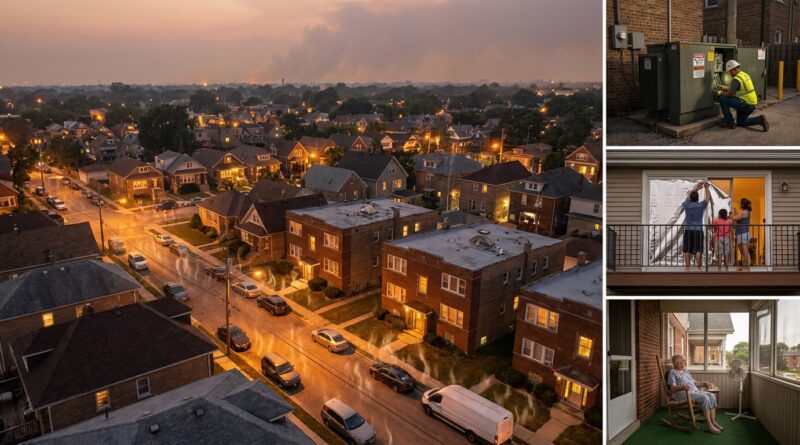
If you have already turned on the AC in April and winced at the thought of your summer power bill, you are not overreacting. A lot of people are feeling the same dread. Federal data says the Lower 48 just had its hottest March on record, and forecasters are warning that the record heat wave 2026 United States story may not be a one-off headline. It could be the start of a very rough summer. That matters because heat is not just uncomfortable. It can raise electric bills, strain local power grids, make outdoor jobs more dangerous, and hit older adults, kids, and people with health issues especially hard. Add in an active hurricane outlook and early wildfire risk, and this stops being abstract climate talk. It becomes a very practical question. What should your family do now, before the worst days arrive?
⚡ In a Hurry? Key Takeaways
- The hottest March on record is a warning sign that many parts of the U.S. could face earlier, longer, and more expensive heat this year.
- Start now by checking your AC, sealing leaks, planning backup cooling options, and adjusting work or exercise hours before dangerous heat arrives.
- Heat is a real health risk, especially for kids, older adults, outdoor workers, and people without reliable cooling or transportation.
What the record heat actually means in real life
National temperature records can sound distant. They are not. When March breaks heat records across the Lower 48, it often means the warm season is starting earlier and giving homes, roads, crops, and power systems less time to recover from the last one.
For regular households, that usually shows up in three places first. Your thermostat. Your utility bill. Your daily routine.
If your town gets repeated stretches of high heat, the AC runs longer. Power demand spikes in late afternoon and early evening. Utilities may ask people to cut use during peak hours. In the worst cases, overloaded systems can lead to outages, which is exactly when cooling matters most.
Why this summer could feel worse than the numbers suggest
Heat does not need to hit an all-time record to be dangerous. A week of high daytime temperatures with warm nights can be brutal because your home and your body never really cool down.
Warm nights are a big problem
People often focus on the daytime high. But if it is still hot at 10 p.m. and your bedroom never drops to a safer temperature, sleep suffers and your body gets less recovery time. That is especially tough on older adults, babies, and anyone with heart or breathing problems.
Humidity can make moderate heat feel much worse
In many parts of the country, humidity is what turns a hard day into a dangerous one. Sweat stops cooling you as well. The heat index climbs. You may feel drained faster even if the air temperature does not look shocking on your weather app.
Smoke and storms can pile on
An active hurricane season and early wildfire risk create a nasty mix. Heat can come with poor air quality, storm outages, or both. So your backup plan should not just be “stay home and run the AC.” You may need a place to go if power fails or smoke makes indoor air worse.
Your health is on the line more than you might think
Extreme heat is one of the deadliest weather risks in the United States. The scary part is that heat illness can sneak up on people.
Who is most at risk
The biggest risk groups include:
- Older adults
- Infants and young children
- Outdoor workers
- People with heart, lung, or kidney conditions
- Pregnant people
- Anyone without home cooling or reliable transport
- People taking medications that affect hydration or body temperature
Warning signs you should not ignore
Heat exhaustion can look like heavy sweating, dizziness, nausea, weakness, headache, or muscle cramps. Heat stroke is more serious and can include confusion, fainting, a very high body temperature, or hot skin with little sweating. That is an emergency.
If someone seems confused, passes out, or is struggling badly in the heat, call for emergency help right away.
How the heat can hit your paycheck
This part does not get enough attention. Heat can cost you money even if you never get sick.
Higher power bills
This is the most obvious hit. If your AC starts running hard in spring and keeps going deep into summer, the extra cost adds up fast. Households in older apartments or poorly insulated homes often get hit the hardest because cooling leaks right out.
Lost work hours
Outdoor workers, delivery drivers, landscapers, farm crews, and construction teams may have shorter shifts or slower output during extreme heat. Some employers change schedules to early morning or evening. That can help safety, but it can also affect hours and pay.
Child care and routine disruptions
When schools, camps, or sports programs change schedules because of heat, working parents may have to scramble. Even a few disrupted days can mean missed shifts or extra costs.
What to do now, before the first brutal stretch hits
You do not need a huge budget to get more prepared. Start with the basics.
1. Check your cooling setup this week
Do not wait for the first 95-degree day. Change the HVAC filter. Clean vents. If you use window units, test them now. If something sounds off, get it looked at before repair companies get slammed.
2. Seal the easy leaks
Even simple weather stripping, blackout curtains, and sealing gaps around doors can make a noticeable difference. The goal is not perfection. It is keeping cool air in longer so the AC cycles less.
3. Learn your utility’s peak hours
Many utilities charge more or stress the grid most during late afternoon and early evening. If possible, pre-cool your home a bit earlier, then raise the thermostat a little during peak hours. Running the dishwasher, dryer, or oven later at night can help too.
4. Build a backup plan for outages
Ask yourself a plain question. If the power goes out for six hours during a heat wave, where do you go? A library, mall, community center, friend’s house, or official cooling center can be a lifesaver.
Write down the address now. Do not count on looking it up later with a dead phone battery and a weak cell signal.
5. Adjust your schedule
If you exercise outside, walk the dog, do yard work, or work a physical job, shift the heavy stuff to early morning if you can. The old advice still works because it is true. Avoid the hottest part of the day when possible. Drink water before you feel thirsty. Take shade breaks.
6. Check on people who may not ask for help
This matters more than people realize. A neighbor in an upstairs apartment. An older relative who hates “making a fuss.” A friend with no car and weak AC. A quick text or knock on the door during a heat wave can make a real difference.
Questions to ask your town right now
This is where abstract headlines should turn into local pressure.
Ask about cooling centers
Does your city or county have them? What hours are they open? Are they reachable by bus? Are they open on weekends and evenings, when heat can still be dangerous?
Ask about grid reliability
Local utilities and officials should be clear about outage planning, tree trimming, transformer upgrades, and public alerts. People do not need PR language. They need plain answers.
Ask about worker and school protections
Communities should be talking now about shaded rest breaks, schedule changes, indoor options, and what happens when classrooms, buses, or sports fields become unsafe.
Do not let “new normal” fool you
That phrase can make it sound like people should just get used to it. But “new normal” does not mean harmless. It means conditions that used to feel rare may now show up more often, earlier in the year, and with bigger costs attached.
That is why the record heat wave 2026 United States forecast matters. It is not just a climate statistic for TV graphics. It is a heads-up for households. If you prepare early, you give yourself more options. If your town prepares early, fewer people get left behind.
At a Glance: Comparison
| Feature/Aspect | Details | Verdict |
|---|---|---|
| Health impact | Heat can cause dehydration, heat exhaustion, poor sleep, and dangerous medical emergencies, especially during multi-day events with warm nights. | Take it seriously, even before official heat warnings begin. |
| Household cost | Earlier and longer AC use can drive up summer electric bills, especially in older or poorly insulated homes. | Small prep steps now can save money later. |
| Community risk | Heat plus hurricanes, wildfire smoke, or outages can turn a tough week into a public safety problem. | Push local officials on cooling centers and outage plans before the crisis hits. |
Conclusion
The big takeaway is simple. The hottest March on record in the Lower 48 is not just weather trivia, and forecasts for an unusually intense 2026 hurricane and heat season are not something to shrug off. They point to higher cooling bills, more strain on the grid, and real health risks for kids, outdoor workers, and older neighbors. The good news is that this is one of those problems where early action helps. Check your cooling setup. Plan for outages. Shift work and exercise when you can. Keep an eye on vulnerable relatives and neighbors. And ask your local leaders what they are doing about cooling centers and grid reliability now, not after the next heatwave leads the evening news.