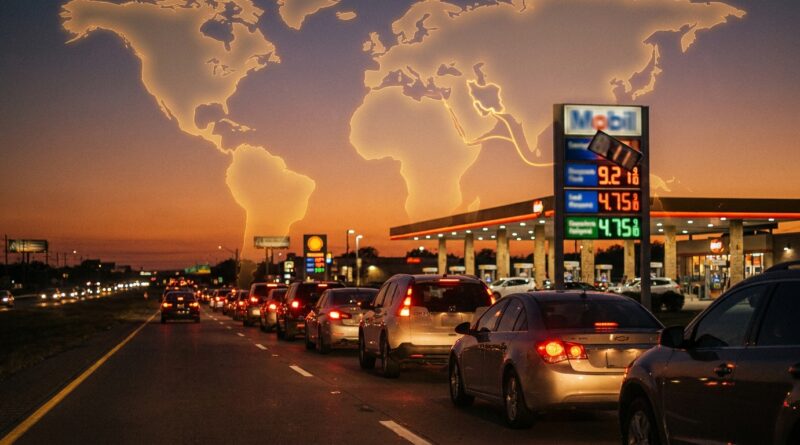
Gas Prices Are Spiking Overnight. Here’s What the Iran Standoff Really Means For Your Wallet
You see the headline, then you see the gas sign on the corner jump 20 or 30 cents, and suddenly every errand feels more expensive. That frustration is real. When news outlets talk about “Iran tensions” and “oil markets,” they often skip the part that matters most. How fast this hits your wallet, how long it might last, and what you can actually do this week. The short version is simple. Iran does not set your local gas price by itself, but any threat to oil supply in the Middle East can make traders bid crude prices higher almost overnight. That can show up at the pump within days, especially if stations already paid more for incoming fuel. It can also raise shipping costs, which can nudge up food and delivery prices. This does not always turn into a months-long crisis, but it is enough to make household budgets tighter fast.
⚡ In a Hurry? Key Takeaways
- Higher Iran tensions can push oil prices up quickly, which often raises U.S. gas prices within days or a couple of weeks.
- Top off your tank during your normal routine, trim unnecessary driving for a week or two, and avoid panic-buying or fuel hoarding.
- The biggest risk for most families is not just gas. It is the ripple effect on groceries, deliveries, and home energy bills if high oil prices stick around.
What “Iran tensions” actually means for gas prices
Think of oil like the base ingredient in a lot of daily costs. Not just gasoline. Diesel for trucks. Jet fuel for planes. Fuel for ships. Even if your own car is efficient, the whole system around you still runs on energy.
When tensions rise around Iran, traders worry about one big thing. Supply disruption. Iran is a major oil producer, and the region around it is one of the busiest energy corridors on Earth. If there is a threat of sanctions tightening, military action, tanker attacks, or shipping slowdowns near the Strait of Hormuz, oil markets react before barrels actually disappear.
That is the part many people miss. Prices move on fear of shortage, not just an actual shortage.
Why the price can jump “overnight”
Gas stations do not all change prices for the same reason at the same moment, but there is a pattern. If wholesale fuel prices rise sharply, stations paying more for their next delivery often raise prices fast. Areas with tighter supply or higher taxes can feel it more. Places near pipelines and refineries may see smaller swings. But in general, if crude spikes, drivers usually notice soon after.
So if you are searching for “Iran tensions gas prices 2026,” the practical answer is this. You are watching a global risk story turn into a local cost story.
Why this affects more than your next fill-up
Gas gets the attention because the numbers are on giant signs by the road. But diesel can matter even more for the rest of your budget.
Groceries and deliveries
Most food gets moved by truck at some point. If diesel climbs and stays high, stores and suppliers face higher transport costs. You may not see every item jump at once, but over a few weeks it can add pressure to staples, delivery fees, and restaurant prices.
Power and home energy
Your electric bill may or may not move right away. It depends on how your utility generates power. Many U.S. grids rely more on natural gas, coal, nuclear, or renewables than oil. But energy markets are connected. If fuel costs rise broadly, some regions still feel it in power prices, especially during heavy cooling demand.
Small business costs
Landscapers, delivery drivers, contractors, food trucks, rideshare drivers, and home care workers feel fuel spikes almost immediately. They either absorb the cost or pass some of it on. That is why these shocks spread through a local economy faster than many people expect.
Is this a short blip or the start of a long expensive stretch?
Honest answer. Nobody knows on day one. But there are a few clues worth watching.
If it is likely a short blip
If tensions cool quickly, shipping lanes stay open, and oil production from other countries holds steady, prices can settle back down. In that case, you may see a painful but temporary spike.
If it may last longer
If there are repeated attacks, harsher sanctions, damaged infrastructure, or a serious disruption in tanker traffic, oil can stay elevated longer. Add refinery outages or hurricane season problems, and U.S. fuel prices can remain stubbornly high even after the headline fades.
That is why it helps to focus less on one dramatic news alert and more on whether supply is actually being disrupted for more than a few days.
What you should do this week, not in theory
You do not need a bunker mentality. You do need a simple plan.
1. Do not panic-buy gas
Fill up a little earlier than usual if your tank is low. That is reasonable. But do not line up with gas cans unless local officials specifically warn of a real supply issue. Panic-buying creates shortages that fear alone did not cause.
2. Combine trips for the next two weeks
This sounds small, but it works. Batch errands. Skip one extra round trip. Carpool where you can. If prices settle, great. If they do not, you already cut some of the damage.
3. Check your station options again
The cheapest station near you last month may not be the cheapest this week. Use a price comparison app or local search before filling up. In volatile periods, the spread between stations can widen more than usual.
4. Delay optional fuel-heavy spending
If you were about to book a long drive for a casual weekend trip, this may be the week to pause and see where prices land. Same goes for stocking up on bulky delivered items with high shipping fees.
5. Build a tiny fuel cushion in your budget
If you can, move even $15 to $25 into a “gas and groceries” buffer. Not everyone has room for that, and that is okay. But if you do, it can prevent one price spike from knocking over the rest of your bills.
What renters, fixed-income households, and commuters should watch
For renters
If your building includes utilities, watch for notices about future rate adjustments rather than immediate jumps. If you pay your own power bill, keep an eye on usage this month, especially air conditioning.
For fixed-income households
This is where fast price swings hurt most. If your medication runs, groceries, and transport all come from the same fixed monthly amount, even a short spike matters. Prioritize essentials early in the pay cycle if possible. Local food banks, senior centers, and transit discount programs are worth checking before things get worse, not after.
For commuters
If you drive a lot for work, now is the time to ask about hybrid schedules, shared rides, or mileage reimbursement if you use your personal car on the job. Many people wait too long to ask, then absorb costs quietly.
What local officials should be doing, and what you can ask for
Vague speeches do not lower anyone’s fuel bill. Targeted help does.
Ask city and state officials about temporary transit fare relief, support for food delivery routes to vulnerable communities, utility assistance funding, and clear public guidance against panic-buying. If your town depends heavily on driving, officials should be talking plainly about commuting alternatives and emergency support, not just repeating national talking points.
For small business owners, local chambers and city councils should also be discussing short-term delivery assistance, fuel surcharge transparency, and emergency grants for essential service providers.
Three myths worth ignoring
“If oil goes up today, every gas station is gouging tomorrow”
Not always. Some stations are raising prices because replacement fuel costs more. That said, states should still watch for real abuse during volatility.
“This only matters if you drive a big truck”
Nope. Delivery costs, public transit budgets, groceries, and services all feel energy shocks.
“There is nothing regular people can do”
You cannot control geopolitics. You can control timing, route planning, household budgeting, and how quickly you react without panicking.
At a Glance: Comparison
| Feature/Aspect | Details | Verdict |
|---|---|---|
| Immediate impact | Oil fears can raise wholesale fuel prices fast, and local gas stations may pass that on within days. | Likely for drivers in the short term |
| Broader household costs | Diesel and shipping costs can lift grocery, delivery, and service prices if high energy prices stick around. | More important than many people realize |
| Best response | Top off normally, cut a few trips, compare station prices, and ask local leaders for targeted relief. | Smart, calm, and useful |
Conclusion
Energy shocks are confusing on TV but painfully simple at home. You pay more to drive, more to get things delivered, and often more for basic goods not long after. The good news is that you do not need to guess your way through the noise. Watch for whether supply disruption is real and lasting, avoid panic-buying, tighten up driving for a week or two, and press local officials for practical relief that reaches commuters, renters, small business owners, and fixed-income households first. That matters because energy shocks hit ordinary people first and hardest, long before politicians or pundits feel any pain. Cutting through the talk about sanctions, tankers, and negotiations gives people something better than fear. It gives them a plan.