Yellowstone Bear Attack Wake-Up Call: What America Keeps Getting Wrong About Our National Parks
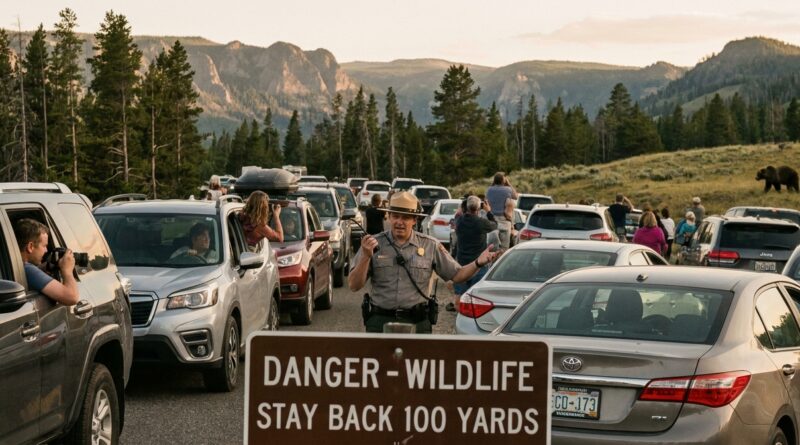
Yesterday’s Yellowstone bear attack is the kind of story families read with a shiver and then quietly file under “terrible luck.” That is comforting, but it misses the real problem. Millions of people now visit national parks as if they are polished attractions with parking lots, snack bars and safe viewing zones, not living ecosystems where a wrong turn, a rushed photo or a few bad assumptions can get someone hurt fast. That gap between expectation and reality is where danger grows. It is also where public agencies, tourism marketing and social media have all done visitors a disservice. Yellowstone is still wild country. Bears do not care that you saved up for the trip, brought your kids, or stayed on a popular route. If there is a wake-up call here, it is not just about one attack. It is about how America talks about parks, manages crowds and teaches people what “outdoors” really means.
⚡ In a Hurry? Key Takeaways
- Yellowstone bear attack national park safety is not just about one bad encounter. It is about crowded parks, mixed messaging and visitors treating wild land like a controlled attraction.
- If you are visiting a national park, carry bear spray where recommended, keep proper distance from wildlife, stay alert on trails and do not assume busy areas are automatically safe.
- The bigger lesson is policy-related too. Parks need clearer risk communication, stronger crowd management and fewer tourism signals that make wild places feel risk-free.
This was not a random vacation horror story
When a bear seriously injures someone in Yellowstone, the first public instinct is often to ask what the victim did wrong. Sometimes that question matters. Sometimes a person got too close, moved too quietly through brush, surprised an animal or ignored posted warnings.
But that frame can also let the bigger system off the hook. Yellowstone is one of the most visited and photographed wild places in the country. It is sold to the public through beautiful road-access views, dramatic wildlife clips and family-trip language that can make risk feel distant. The danger is real, but the packaging often feels gentle.
That is how people end up mentally downgrading a place that still has large predators, fast weather changes, thermal hazards and backcountry conditions. They do not think, “I am entering habitat.” They think, “I am going sightseeing.”
What America keeps getting wrong about national parks
We confuse access with safety
A paved overlook, a shuttle stop or a busy boardwalk can create the impression that everything nearby has been made safe. It has not. Access is not the same as protection. A park can be easy to enter and still be unforgiving.
This is where many non-expert visitors get tripped up. If a place has bathrooms, gift shops and marked parking, our brains start treating it like managed recreation space. But Yellowstone is not a zoo. It is not a resort property with controlled animal encounters. It is a wild landscape with infrastructure laid on top of it.
We market the postcard and hide the risk
Parks understandably promote beauty. Local economies depend on tourism. Families need information that makes trip planning feel doable. None of that is wrong on its own.
The problem comes when risk messaging feels like fine print. “Keep your distance from wildlife” is true, but it is often read as a polite suggestion, not as a potentially life-saving rule. Signs can blend into the background. Visitor briefings may be skipped. Social media clips of animals near roads make dangerous behavior look normal.
If the first fifty images someone sees of Yellowstone are bison jams, elk near lodges and close-up bear footage shot on phones, they start building a false picture of what a safe visit looks like.
We underestimate beginner visitors
Record visitation means more people are arriving with little outdoor experience. That is not a moral failure. It is just reality. Some are first-time campers. Some are international tourists with different park norms. Some are older travelers. Some are parents juggling children in unfamiliar terrain. Many have never had to think seriously about animal distance, scent control, trail noise or what to do in a sudden wildlife encounter.
Yet the system often assumes people will self-educate or naturally pick things up. That is a bad bet.
Why Yellowstone matters more than almost any other park
Yellowstone is America’s flagship park in the public imagination. If people learn bad habits there, those habits travel. They get carried into Glacier, Grand Teton, Yosemite, Smokies trailheads, state parks and even suburban preserves with wildlife risks of their own.
That is why a Yellowstone bear attack national park safety story is bigger than Yellowstone. It shapes what families think counts as normal behavior in wild places. If people come away thinking this was a bizarre one-off, they will miss the warning. If they understand it as a systems problem, they may change what they do next time.
What visitors should do differently right now
Treat every park briefing like it matters
If a ranger hands you guidance, read it. If your lodging posts wildlife rules, follow them. If bear spray is advised, do not treat that as optional gear for “serious hikers only.” In bear country, it is basic safety equipment.
Keep more distance than you think you need
People are often terrible judges of safe distance because phone cameras flatten space. An animal that looks “pretty far away” may be much too close. Give wildlife room. If you alter an animal’s behavior, you are too close already.
Do not let crowds trick you
A crowded trail or roadside stop can make people careless. There is a subtle group effect at work. If twenty people are standing around taking pictures, each person feels safer because others are doing the same thing. But crowds do not reduce wildlife risk. Sometimes they increase it by making movement noisy, chaotic or unpredictable.
Plan for the least experienced person in your group
If you are traveling with kids, older parents or friends who do not spend time outdoors, build the day around their limits, not your wish list. Shorter hikes, more daylight buffer, more water, more caution. Most bad park decisions start with people trying to squeeze one more stop into a packed itinerary.
What parks and policymakers should do differently
Use clearer, blunter risk communication
Many park warnings are technically correct but emotionally weak. Visitors need plain language. Not just “be bear aware,” but “bears may be present in this area right now, and surprising one at close range can lead to a charge or attack.” That gets attention.
Stop separating tourism messaging from safety messaging
The dream version of the trip and the danger version of the trip should not live in different silos. If agencies want record visitation, they also need record-quality visitor education. Safety should be built into trip planning from the first booking page, not left for a sign at the trailhead.
Manage overcrowding like a safety issue, not just a convenience issue
Overcrowding is usually discussed in terms of traffic, parking frustration and damaged scenery. It is also a risk multiplier. Dense crowds produce rushed parking decisions, informal trail use, distracted parents, poor wildlife spacing and social proof that normalizes unsafe behavior.
Reservation systems, timed entry, more ranger presence in hotspot areas and stronger enforcement may frustrate some travelers. But frustration is better than injury.
The hard truth families need to hear
National parks are wonderful. They are also not designed to remove all danger. That is part of their value and part of their challenge. The point is not to scare people away. The point is to replace the fantasy with respect.
You do not need to be a rugged backcountry expert to visit Yellowstone safely. But you do need to stop thinking like a customer at an attraction and start thinking like a guest in an animal’s home range. That mental shift changes everything. It changes how closely you approach wildlife, how casually you step off trail, how seriously you take a ranger warning, and how you plan around weather, fatigue and children.
At a Glance: Comparison
| Feature/Aspect | Details | Verdict |
|---|---|---|
| Public perception of parks | Many visitors see national parks as safe, curated sightseeing spaces because they have roads, signage and visitor facilities. | Misleading. Access does not remove wild-animal risk. |
| Visitor behavior around wildlife | Crowds, phones and social media often encourage people to get too close or ignore how quickly an encounter can change. | Needs urgent improvement through education and enforcement. |
| Park management response | Current systems often rely on signs and general warnings, even as visitation surges and first-time users increase. | Not enough. Risk communication and crowd control should be treated as core safety tools. |
Conclusion
A serious wildlife attack in America’s best-known park should do more than scare people for a day. It should force a reset. The useful lesson is not “what a freak tragedy.” It is “why do so many of us keep arriving in wild places with the wrong expectations?” When we frame a Yellowstone bear attack as a national park safety issue and a public-policy problem, not just a shocking vacation anecdote, we make better choices. Families ask sharper questions. Schools and tour groups plan more carefully. Park agencies face more pressure to communicate honestly about risk during an era of heavy crowding. That is the real value here. Not panic. Not blame. Just a more grown-up understanding of what national parks are, and what it takes to use them safely before the next trip with your kids, your students or your aging parents.