America’s Longest Shutdown Just Ended. What the ‘Restart’ Really Means for Your Paycheck, Flights and Safety Net
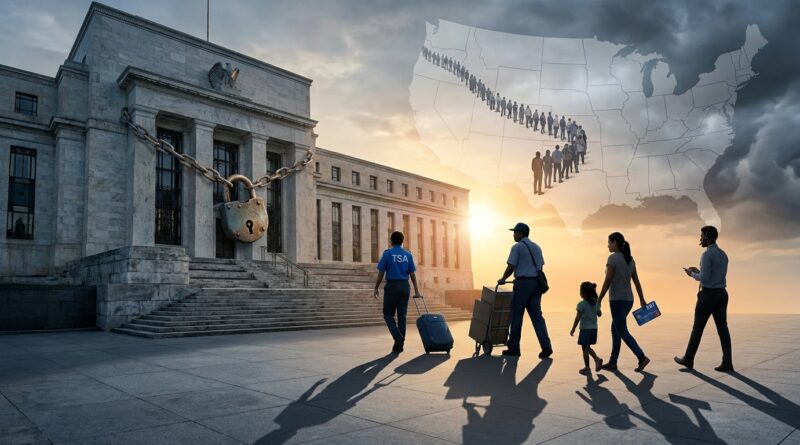
If you felt like the country hit the power button and then froze on a loading screen, you were not imagining it. The longest shutdown in US history is over, but “reopened” does not mean “back to normal.” A lot of people want to move on. Federal workers want their paychecks. Travelers want airports to work. Families who depend on food aid, tax refunds, flood control and routine government services want the lines to stop growing. That is fair. But the 2026 federal government shutdown deal explained in plain English comes down to this: Congress turned the lights back on without fixing the wiring. Agencies can reopen. Pay can start flowing again. Yet missed inspections, delayed hiring, backed-up cases and shaky emergency readiness do not vanish overnight. The pain changes shape. It moves from closed doors to long waits, uneven service and a lot of uncertainty about what happens if another crisis hits soon.
⚡ In a Hurry? Key Takeaways
- The government has reopened, but many services will stay slow for weeks or months because agencies now have to clear backlogs and refill gaps.
- If your job, travel, benefits or local safety services touch the federal government, check agency updates now and expect delays instead of assuming everything is fixed.
- The biggest hidden risk is not the shutdown itself. It is what got postponed, from inspections to disaster planning to cybersecurity work.
What the shutdown deal actually did
The deal ended the shutdown by restoring funding and getting agencies back to work. That is the simple version.
The less simple version is that this was more of a temporary restart than a clean repair. Workers return, systems restart, contracts resume and offices reopen. But agencies do not wake up fresh after a shutdown. They wake up behind.
Think of it like reopening a grocery store after a storm. The doors are unlocked, yes. But shelves need restocking, spoiled items need replacing and the checkout line is already out the door.
That is what many federal offices are dealing with right now.
What it means for your paycheck
If you are a federal worker
The first question is back pay. In many shutdowns, furloughed federal workers eventually receive back pay, and essential workers who had to report without normal paychecks are also made whole later. But “later” matters. Bills come on time even when Congress does not.
So yes, the deal may restore missed pay. What it does not erase is the damage from late rent, credit card balances, childcare strain or emergency borrowing during the shutdown. If you are in that group, the practical move is to review your leave balance, direct deposit timing and any agency guidance on payroll processing. Some payments can restart quickly. Others may take one or more pay cycles to fully settle.
If you are a contractor
This is where the pain can get worse. Many federal contractors do not automatically receive back pay when work stops. If you clean federal buildings, handle support services, do IT work or provide outside staffing, you may have lost income that is simply gone unless your employer makes you whole.
That is one of the least talked-about parts of any shutdown. Federal employees often have legal paths to restored wages. Contractors are in a much shakier spot.
If you are not a federal worker at all
You can still feel this in your own paycheck. Places with large federal workforces often see a slowdown in spending at restaurants, child care centers, auto shops and local stores. A long shutdown can ripple into local hours cuts and slower small-business revenue, especially around military bases, border regions and Washington-area suburbs.
What it means for flights and travel
Why airports got messy
Travelers saw one of the clearest warning signs of shutdown strain at airports. TSA officers and air traffic staff are considered critical, so many still work during a shutdown. But morale, staffing and attendance can take a hit when people are showing up without regular pay.
That does not mean planes suddenly become unsafe. It does mean the system gets brittle. More sick-outs. Longer screening lines. Fewer people available to absorb routine disruptions. Small delays start stacking up.
What changes now
Airport operations should improve as pay resumes and staffing pressure eases. Still, do not expect instant normal. Scheduling gaps, delayed training, postponed hiring and deferred maintenance can keep showing up after the shutdown ends.
If you are flying in the next few weeks, build in extra time. Check your airline app before leaving home. For an early flight, it is smart to arrive earlier than usual, especially at hubs that already struggle with weather or staffing.
A practical travel checklist
For the next month or two, use this simple rule: assume the airport is functional, not smooth.
- Get to the airport earlier than your old routine.
- Download your airline app and turn on alerts.
- Keep medication, chargers and one day of essentials in your carry-on.
- If you have a tight connection, look for backup flights before you need them.
What it means for the safety net
Food aid, benefits and case processing
Shutdowns do not hit every program the same way. Some benefit systems can keep going for a while using existing funds. Others slow down because workers are furloughed or offices cannot process cases on time.
The result is frustratingly uneven. Your benefits may not disappear, but approvals, renewals, corrections and phone support can all get slower. That can matter a lot if you are waiting on food assistance, housing-related paperwork, immigration processing, tax help or Social Security administration tasks.
If you rely on a federal or federally linked program, this is a good week to log in, check your status and save copies of notices. If your deadline falls soon, do not wait for the system to “catch up.”
Local services can get squeezed too
Federal money flows into local life in ways most people never see. Disaster recovery grants, housing support, public health programs, water projects and emergency planning often depend on federal staffing or approval somewhere along the chain.
So even after the shutdown ends, a town waiting on reimbursement, permit review or project approval may still be stuck.
The part most people miss: delayed inspections and delayed prevention
This is where the real concern starts. During a long shutdown, governments focus on keeping the bare minimum running. That means lower-priority work gets pushed aside. But “not urgent today” is often the same work that prevents a bigger mess tomorrow.
That can include safety inspections, cybersecurity updates, flood planning, procurement reviews, grant oversight and training. None of those make splashy headlines. All of them matter.
If a dam project review slips, a port inspection is delayed, a cyber team is understaffed or a weather office loses planning time before storm season, the public may not notice right away. The effects show up later, and often at the worst possible moment.
Why Homeland Security matters so much in this shutdown
This shutdown hit the Department of Homeland Security at a terrible time. The country is already stretched by war costs, climate-driven disasters and rising pressure on border and cyber systems. DHS touches airport security, disaster response coordination, border operations, cybersecurity support and more.
When that department runs under shutdown stress for weeks, it is not just a Washington budgeting story. It raises a basic question: how much resilience do these systems really have?
If another hurricane, cyberattack or border surge hits soon after a shutdown, agencies have to respond while still cleaning up from the last crisis. That is not a great setup.
What to watch in your own community
You do not need to become a budget expert. But you should watch for a few concrete signs over the next several months.
1. Travel bottlenecks
If your local airport keeps posting longer wait times or frequent delays tied to staffing, the shutdown hangover may still be in play.
2. Benefit processing slowdowns
Look for delayed approvals, unanswered calls or confusing notices tied to federal programs. Keep records. Screenshot portals. Write down dates and names when you call.
3. Local projects that quietly stall
If your town has flood mitigation, infrastructure repair or disaster recovery work pending, ask local officials whether federal approvals or reimbursements were delayed.
4. Public safety and inspection backlogs
Ask simple questions. Are inspections caught up? Are staffing levels normal? Has emergency planning resumed?
What to ask your representatives
You do not need a policy speech. A few plain questions are better.
- Will affected workers and contractors be fully paid back?
- Which local services or projects in our area were delayed by the shutdown?
- How far behind are inspections, case processing or disaster preparation work?
- What is the plan if another shutdown fight starts again soon?
Those questions move the story from abstract politics to real-world accountability.
So, is this over?
Politically, the shutdown ended. Operationally, not really.
The federal government is open again. That is good news. But reopening after a record-long shutdown is a lot like restarting an old laptop after it crashed during an update. It powers on. Then you spend a while discovering what did not save correctly.
That is the clearest way to think about the 2026 federal government shutdown deal explained for everyday life. The emergency stopped. The cleanup started.
At a Glance: Comparison
| Feature/Aspect | Details | Verdict |
|---|---|---|
| Federal pay | Most federal workers can expect pay to restart and back pay may follow, but timing and personal financial damage still matter. | Better than during shutdown, not instantly fixed. |
| Flights and airport operations | Security and traffic systems are running again under normal funding, but staffing strain and delays can linger. | Safer than panic suggests, slower than travelers want. |
| Safety net and local services | Benefits, project approvals, inspections and emergency planning may face long backlogs even after offices reopen. | This is the hidden risk to watch most closely. |
Conclusion
The easiest mistake right now is to treat this as old news because the headlines have moved on. This shutdown was not background noise in Washington. It was the longest in US history. It hit Homeland Security during a period when the country is already stretched by war costs and climate disasters. And the reopening deal leaves hard questions about back pay, delayed inspections and whether key agencies are truly ready for the next hurricane, cyberattack or border surge. The good news is that you do not need to panic. You just need to pay attention to the right things. Watch your local airport. Watch benefit timelines. Ask local officials whether federal delays are slowing projects in your area. Ask your representatives what was postponed and how they plan to prevent a repeat. The government restarted. Now comes the part that affects daily life: seeing what still needs repair.