America’s Quiet Pharmacy Crisis: How the New Wave of Drug Shortages Could Hit Your Kitchen Table and the ER at the Same Time
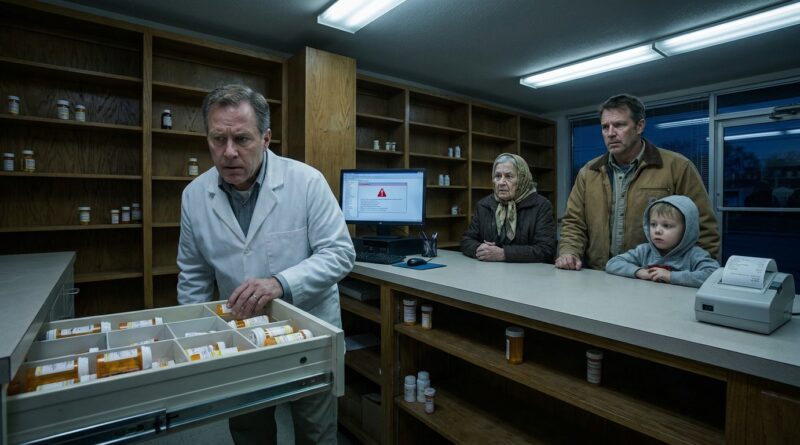
You can pay your insurance bill on time, use the same pharmacy for years, and still hear a sentence that makes your stomach drop. “We can’t get it right now.” That is the reality behind the growing wave of US prescription drug shortages 2026 watchers are worried about. This is not just a problem for rare medicines or faraway hospitals. It can mean your child’s antibiotic is backordered, your migraine medicine is swapped, or a hospital has to stretch supplies of chemotherapy, IV fluids, pain control, or emergency drugs. It is frustrating, scary, and deeply unfair, especially when patients do everything they are told to do. The good news is that shortages do not always mean there is no option. But they do mean you need to ask better questions, earlier. If you know what kinds of drugs are most at risk and how shortages move from factory floors to pharmacy counters, you can protect your family before a refill turns into a crisis.
⚡ In a Hurry? Key Takeaways
- Drug shortages are already affecting common antibiotics, hospital injectables, chemo drugs, ADHD medicines, and some generic staples. This is not a future-only problem.
- Ask your doctor and pharmacist now whether your medicine has a backup option, a different dose form, or a nearby location with stock before you run low.
- Never stretch, split, or swap prescription drugs on your own. Shortages can raise costs and risks fast, especially for kids, seniors, and anyone with cancer or chronic illness.
Why this keeps happening, even when the drug is “approved” and on the market
Most people assume that once a medicine exists, getting it is just a matter of paying for it. That would be nice. It is also not how the system works.
A drug can be approved by the FDA and still be hard to get because the supply chain is fragile. A single quality problem at a factory can shut down a big chunk of the national supply. A shortage of raw ingredients can slow production. A manufacturer can stop making a low-profit generic because it is not worth the hassle. Then wholesalers ration what is left, hospitals start scrambling, and local pharmacies get told to wait.
That is one reason this story connects to the broader strain on drugstores. If you have read America’s Pharmacy Squeeze: How The Quiet Collapse Of Local Drugstores Just Became A National Health Crisis, you have already seen one side of the problem. Fewer staffed pharmacies and tighter margins mean less slack in the system when supply goes sideways.
Which medicines are most likely to be caught in shortages
Not every category is equally vulnerable. Some patterns show up again and again.
1. Generic sterile injectables
This is the big one for hospitals. Think emergency room drugs, anesthesia, IV antibiotics, some pain medicines, and chemotherapy agents. These drugs are hard to make, often cheap to sell, and produced by a limited number of plants. If one plant stumbles, patients feel it fast.
2. Common antibiotics
Parents saw this clearly when liquid antibiotics for kids became hard to find. If a pediatric suspension is out, families may end up driving to multiple pharmacies, calling urgent care back for a different dose, or using a less convenient version.
3. Cancer drugs
Chemo shortages hit especially hard because alternatives are not always equal. A substitute may cost more, cause different side effects, or simply not be the first choice. In some cases, care teams must adjust schedules or protocols.
4. ADHD and mental health medications
These shortages can look different. The drug may exist, but one strength, one manufacturer, or one release type is missing. Patients then get bounced between pharmacies or told to ask for a new prescription.
5. Diabetes and chronic disease medicines
Sometimes the problem is not a total shortage but a supply pinch, insurance restriction, or sudden jump in demand. For patients, the result feels the same. Delays, substitutions, and stress.
How a hospital shortage ends up at your kitchen table
When people hear “drug shortage,” they often picture a hospital first. That makes sense. But the ripple effect reaches homes quickly.
If hospitals use more of one substitute drug because their first choice is unavailable, that can tighten supply elsewhere. If doctors know a standard medicine is hard to get, they may prescribe a different one more often, increasing demand at retail pharmacies. If local stores are already short-staffed, it takes longer to track inventory, call prescribers, and process substitutes.
That means a shortage can hit your family in a few practical ways:
- Your refill is delayed for days or weeks.
- Your doctor sends a different strength or a different form, like capsules instead of liquid.
- Your copay jumps because the backup option costs more.
- You have to call multiple pharmacies yourself.
- You get a partial fill and need to come back later.
- Your treatment plan changes, even though your condition has not.
None of that feels minor when it is your child with an infection or your parent waiting on chemo.
What “quietly swapped, delayed, or denied” really looks like
Most shortages do not arrive with a dramatic public alert. They show up as friction.
You get a text saying your prescription is delayed. The pharmacist says they can order it, but they do not know when it will come in. The doctor’s office sends in an alternative. Insurance rejects the new version because it is not the preferred drug. Now you are stuck in the middle of a three-way phone tree, trying to get medicine that was supposed to be routine.
This is why patients often feel blindsided. The shortage starts upstream. You only notice it at the end of the line.
What to ask your pharmacist right now
You do not need to become a supply-chain expert. You do need a short script.
If you take a regular prescription
- “Is this medication currently hard to get from your wholesaler?”
- “Should I refill this earlier than usual, within my insurance window?”
- “Are certain strengths or generic makers easier to get right now?”
- “If this goes out of stock, what substitute forms are commonly used?”
- “Can you see if another branch has it?”
If the prescription is for a child
- “If the liquid is unavailable, is there another child-safe option my doctor can prescribe?”
- “Can this be compounded, and if so, where?”
- “What should I do if I cannot get this today?”
If the medicine is critical, like chemo, seizure medication, insulin, or heart drugs
- “If this cannot be filled on time, who should I call first?”
- “Is there a same-day alternative process for urgent cases?”
- “Can you note my profile that this is a do-not-delay medication?”
What to ask your doctor or telehealth clinician
Doctors do not always know what your local pharmacy can actually get today. That gap matters.
- “Is there a backup medication if this one is unavailable?”
- “Is a different dose, tablet size, or formulation acceptable?”
- “If I cannot find this drug, how long is it safe to wait before it becomes dangerous?”
- “What symptoms mean I should go to urgent care or the ER instead of waiting?”
- “Can your office help with prior authorization if we need a substitute?”
This kind of conversation can save a lot of time. It also reduces panic when the pharmacy calls with bad news.
What not to do during a shortage
When people are stressed, they improvise. With prescription medicine, that can go badly.
- Do not cut back doses to “make it last” unless your doctor tells you to.
- Do not borrow medicine from a friend or relative.
- Do not switch between different release types without approval.
- Do not buy prescription drugs from random websites that promise miracle stock.
- Do not assume a substitute is automatically the same for your condition.
That is especially true for seizure drugs, blood thinners, insulin, transplant drugs, cancer treatment, and pediatric doses.
How shortages can raise your costs, even if you have insurance
This is one of the most aggravating parts. A shortage can turn a cheap, boring generic into a whole project.
If your usual drug is missing, the replacement may sit on a higher insurance tier. You may need a new office visit, a prior authorization, or extra lab work. If your local pharmacy cannot get it, you might end up using a hospital outpatient pharmacy or a specialty pharmacy with different pricing. If a child’s medicine needs compounding, that can mean another cost and another trip.
So yes, shortages are a supply issue. But for families, they often show up as a money issue too.
Who is at the highest risk from US prescription drug shortages 2026
Some groups have less room for delay or substitution.
- Children who need liquid antibiotics or exact weight-based dosing
- Cancer patients on time-sensitive treatment plans
- Seniors taking multiple chronic medications
- People with epilepsy, diabetes, heart failure, or serious mental illness
- Rural patients with only one nearby pharmacy
- Anyone relying on a small number of generic manufacturers
If you or someone in your family fits one of those groups, planning ahead is not overreacting. It is basic risk management.
A simple preparation plan for families
You cannot fix a national supply chain at your kitchen counter. You can make the next shortage less chaotic.
Build a medicine list
Write down every regular prescription, the dose, the form, and the prescriber. Include which drugs are truly time-sensitive.
Refill as early as your plan allows
Many insurers allow refills before you are fully out. Use that window. Do not wait until the last pill.
Use one main pharmacy when possible
A good pharmacist who knows your profile can often spot issues sooner and help coordinate substitutes faster.
Keep prescriber contact info handy
If a pharmacy needs a changed prescription, speed matters.
Ask for a backup plan before there is a problem
This works especially well for recurring antibiotics in children, migraine meds, ADHD meds, and chronic disease drugs.
Know your emergency line
For critical medicines, ask which number to call after hours if a refill fails.
When this becomes an ER issue
Not every delay is a 911 problem. Some are.
Get urgent medical help if a missed or unavailable medication leads to trouble breathing, chest pain, severe allergic reaction, uncontrolled blood sugar, active seizures, signs of stroke, severe dehydration, or rapidly worsening infection symptoms. For chemo or immune-suppressing drugs, follow your care team’s instructions closely because the line between “call tomorrow” and “go now” can be thin.
The hard part is that shortages can create emergencies out of ordinary routines. That is why asking, “What should I do if I cannot get this?” is such an important question.
At a Glance: Comparison
| Feature/Aspect | Details | Verdict |
|---|---|---|
| Most vulnerable medicines | Generic injectables, antibiotics, chemo drugs, ADHD meds, and some chronic disease treatments are more likely to face supply strain or substitutions. | Plan ahead if your household depends on any of these. |
| Best patient response | Refill early, ask about backups, use one primary pharmacy, and get a clear action plan from your doctor for delays or stockouts. | This gives you the most control with the least stress. |
| Biggest hidden risk | Higher costs, treatment changes, and dangerous self-adjustments by patients trying to stretch a supply on their own. | Never change dosing without medical advice. |
Conclusion
A national drug shortage is not some abstract Washington fight. It is a kitchen-table problem that can land without warning on families who assumed that if a drug exists, they can get it. The smart move is not panic. It is preparation. Know which medicines in your home would be hard to replace. Ask your pharmacist if any are already tricky to stock. Ask your doctor what the backup plan is before you need it. That small bit of planning can save days of stress, extra costs, and in some cases, real medical harm. At a time when trust in the health system is shaky and a lot of coverage is either overheated or buried in jargon, the practical path is simple. Get the facts. Ask direct questions. Keep a short script ready for your next pharmacy visit or telehealth call. You may not be able to stop the shortage, but you can make sure it does not catch your family flat-footed.