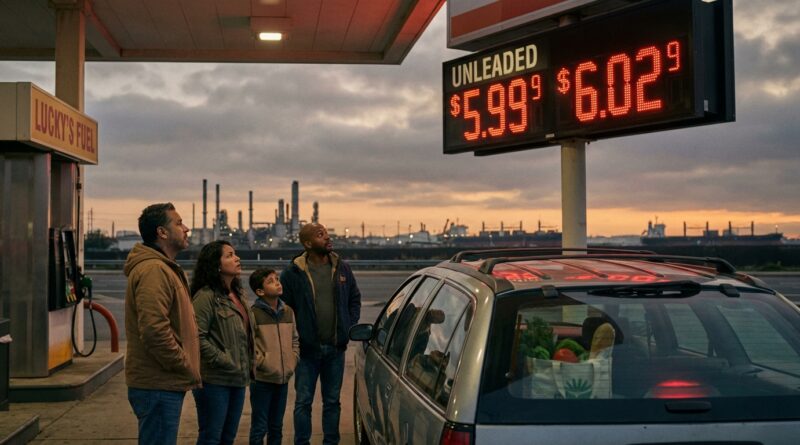
Americans Are Quietly Bracing for War-Price Shock: How a Distant Conflict Is About to Hit Your Wallet
You are not imagining it. When headlines start filling up with talk about airstrikes, Iran, Israel, oil tankers, and the Strait of Hormuz, most people hear noise and then notice one very real thing a week or two later. Prices start creeping up. Gas first. Then shipping. Then groceries. Then the quiet stress of wondering whether your paycheck is about to feel smaller again. If you are trying to figure out how war in the Middle East will affect gas prices in the US, the plain-English answer is simple. If oil supply looks threatened, markets push prices up fast, often before any real shortage hits. That can raise gas prices within days, and it can spread into food, delivery costs, airfare, and household bills over the next 30 to 90 days. The point is not to panic. It is to see the chain reaction early enough to make a few smart moves before your budget gets squeezed.
⚡ In a Hurry? Key Takeaways
- Yes, a wider Middle East conflict could push US gas prices higher quickly, especially if oil shipments through the Strait of Hormuz are disrupted or even threatened.
- The smartest move right now is to tighten your next 30 to 90 days of spending around gas, groceries, and emergency savings, before price increases stack up.
- This is usually a price shock first, not an instant physical shortage in the US, so calm planning helps more than panic buying.
Why Americans should pay attention now
The frustrating part of these stories is that they are often covered like a military chess match. You hear who struck whom, what leaders said, and whether retaliation is coming. What you rarely hear is the household version.
That version is this. A conflict in the Middle East matters to Americans because the region sits near some of the world’s most important oil shipping routes. If traders think those routes are at risk, oil prices can jump almost instantly. Gas stations, airlines, trucking firms, shipping companies, and grocery distributors all react to that.
So even if the fighting is thousands of miles away, the cost ripple can show up in your town fast.
How war in the Middle East will affect gas prices in the US
This is the big question, and thankfully it is not hard to explain.
Step 1: Fear alone can move oil prices
Oil is traded globally. That means prices are not based only on what is physically available today. They are also based on what traders think might happen next week or next month.
If there is a serious risk that tankers could be delayed, attacked, rerouted, or blocked, oil futures often rise before supply is fully disrupted.
Step 2: Higher oil usually means higher gasoline
Crude oil is the main ingredient in gasoline. When crude rises, gas prices usually follow. Not always overnight, but often within days or a couple of weeks.
A rough rule of thumb is that a $10 jump in the price of a barrel of oil can add around 20 to 30 cents per gallon to gas prices, though refinery issues, local taxes, and seasonal blends can change that.
Step 3: Americans feel it at the pump first
Let’s make that real. If the national average gas price rose by 25 cents a gallon, a household using 120 gallons a month would pay about $30 more monthly. That may not sound crushing by itself, but it rarely arrives by itself.
Higher diesel costs can raise shipping costs. Those costs can push up food and store prices. Airfare can rise. Delivery fees can rise. Small business margins get tighter. That is how a “far away” conflict turns into a very local money problem.
Why the Strait of Hormuz matters so much
You will keep hearing this name, so it helps to know why.
The Strait of Hormuz is a narrow waterway between the Persian Gulf and the Gulf of Oman. A huge share of the world’s oil and liquefied natural gas passes through it. Estimates vary by source and timing, but roughly one-fifth of global petroleum liquids consumption can move through that corridor.
That is why even partial disruption matters. A complete shutdown would be a major global shock. But the market does not need a full shutdown to react. Missile threats, ship seizures, insurance spikes, naval standoffs, or rerouting can all raise costs.
Think of it like a busy bridge in your city. It does not need to collapse for traffic to become a mess. One serious accident is enough to back everything up and make every trip more expensive.
What could get more expensive besides gas
Groceries
Food prices can rise for a few reasons. Farms and food processors use fuel. Trucks use fuel. Ships use fuel. Packaging costs can also increase when energy markets get jumpy.
You may not notice it on every item, but staples that travel long distances or need refrigeration can get more expensive first.
Airfare and travel
Airlines watch fuel costs closely. If oil stays high, ticket prices often follow. If you have a trip planned in the next two to three months, waiting too long could cost you.
Online shopping and deliveries
Retailers can hide price increases in shipping fees, service charges, and minimum order rules. Sometimes the item price stays the same while the “extras” go up.
Utilities
This depends on where you live and what fuel your local grid uses, but energy market spikes can eventually affect electricity and heating costs too, especially if the conflict drags on.
Jobs and overtime
This part gets less attention. If businesses face rising transport and input costs, some react by cutting hours, slowing hiring, or delaying expansion. That is one reason these global shocks can feel so personal even for people who do not drive much.
What is likely in the next 30 to 90 days
No one can promise exactly what oil will do. But we can lay out the most likely paths.
Scenario 1: Tension stays high, but shipping continues
This is the most common pattern. Prices jump on fear, then settle somewhat, but stay elevated. In that case, US gas prices could rise modestly, then bounce around.
Household effect: Annoying, manageable, but enough to squeeze tight budgets.
Scenario 2: Shipping is disrupted, even temporarily
This is where things get more painful. Insurance costs rise. Rerouting starts. Oil spikes harder. Gasoline and diesel move up more sharply.
Household effect: Faster increases at the pump, more expensive deliveries, and broader inflation pressure.
Scenario 3: The conflict spreads regionally
This is the worst economic case of the three. A wider war could create repeated market shocks, not just one spike.
Household effect: Higher energy costs, worse consumer confidence, more strain on travel, food, and jobs.
What you should do right now, without going into panic mode
1. Build a “price shock” buffer
If possible, set aside enough to cover one month of higher gas and grocery costs. For many households, that means aiming for an extra $150 to $300 in breathing room.
You do not need a perfect emergency fund by Friday. You just want a cushion.
2. Fill the tank strategically, not emotionally
Do not panic buy gas. But if your tank is low and prices are clearly starting to move, filling up sooner rather than later can help. Use gas apps, warehouse clubs, or grocery fuel points if you have them.
3. Lock in what you can
If you need airfare, home essentials, or shelf-stable groceries, buying before a wider price jump can make sense. Focus on things you were already going to buy. This is not the time for fear spending.
4. Watch diesel as much as gasoline
Diesel is the hidden price signal for the rest of the economy. When diesel gets expensive, freight gets expensive. That often shows up later in store prices.
5. Review your commute now
If gas rose 30 to 50 cents a gallon, what would change for you? Could you combine errands, work from home one extra day, carpool once a week, or delay a longer drive? Small changes matter more than people think.
6. Be careful with variable spending
If your budget is already stretched, now is a good time to pause optional subscriptions, impulse shopping, and expensive takeout for a few weeks. Not forever. Just long enough to see whether this turns into another broad price wave.
What not to do
Do not assume every scary headline means instant shortages. The US is not likely to “run out” of gas because of one bad week overseas.
Do not make huge money moves based on social media panic. And do not clear out store shelves. That tends to hurt families who are already on the edge.
The better move is boring. Stay informed. Make a few sensible adjustments. Protect cash flow.
Who gets hit hardest first
Not everyone feels these shocks equally.
- People with long commutes
- Hourly workers with less schedule flexibility
- Families already spending a big share of income on food and transportation
- Small business owners who rely on shipping or delivery
- Travel, logistics, and freight workers if demand softens later
If that is you, the goal is not to predict geopolitics perfectly. It is to lower your exposure where you can.
The bigger point nobody says clearly enough
War-price shock usually arrives in stages. First comes market fear. Then comes gas. Then freight. Then groceries and services. Then, if it lingers, employers and consumers get more cautious.
That is why the next few weeks matter. If you wait until everything around you is obviously more expensive, your choices get worse. If you make a couple of modest budget moves now, you have more control.
At a Glance: Comparison
| Feature/Aspect | Details | Verdict |
|---|---|---|
| Immediate impact | Oil markets can react within hours, and US gas prices may rise within days to two weeks. | Most likely first hit to households |
| Secondary impact | Higher diesel and shipping costs can push up groceries, deliveries, airfare, and business costs over 30 to 90 days. | Slower, broader, and easier to underestimate |
| Best household response | Add a short-term budget cushion, buy essentials normally but early, and cut waste before prices stack up. | Calm planning beats panic |
Conclusion
The useful thing here is not trying to become a military analyst overnight. It is understanding the money chain. If conflict in the Middle East threatens oil routes, Americans often feel it first through gas prices, then through shipping costs, food inflation, and sometimes job pressure. That is the part national coverage often skips. A calm, numbers-based look at the next 30 to 90 days gives regular households something much more helpful than outrage or speculation. It gives them a plan. Check your fuel spending. Give your grocery budget a little room. Hold onto cash where you can. Big world events feel less helpless when you can translate them into concrete decisions at home, and right now that translation is exactly what most people need.