America’s Housing Pressure Cooker: How the Rent Squeeze Is Quietly Rewriting the Middle Class
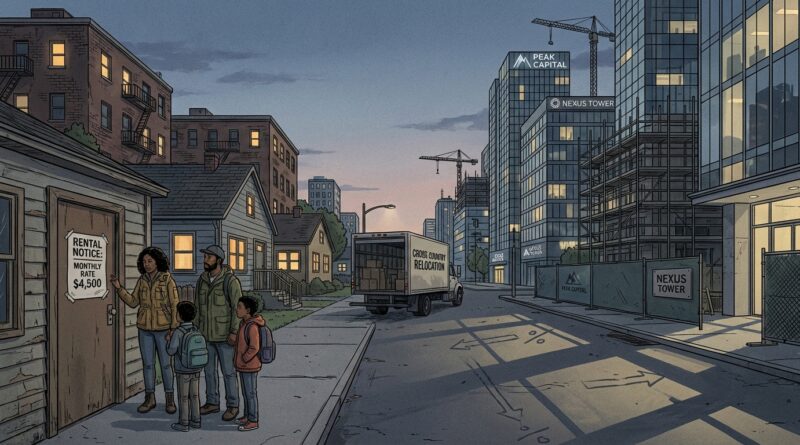
If your rent has jumped so much that your paycheck now feels pre-spent before groceries, gas, or child care, you are not imagining it. A big slice of the American middle class is getting squeezed by a housing market that no longer behaves like a temporary headache. Teachers, nurses, office workers, city employees, and delivery drivers are finding that a decent apartment can eat 40, 50, even 60 percent of take-home pay. That changes everything. It changes whether you can save, whether you can stay near work, and whether your kids have to switch schools because the lease got too expensive. The national housing crisis 2026 middle class story is not just about buying a home anymore. It is about holding onto stable housing at all. And while the causes are national, the stress lands in very personal places, like the kitchen table, the monthly budget, and that nervous feeling when the landlord sends an email.
⚡ In a Hurry? Key Takeaways
- The housing squeeze is no longer hitting only low-income renters. It is now reshaping middle-class life across the country.
- If rent is rising faster than your income, start by checking local tenant protections, tracking all lease terms, and widening your search to employer, city, and nonprofit housing help.
- Do not wait until a renewal notice becomes a crisis. Early planning gives you more options and can reduce the risk of debt, forced moves, or school disruption.
Why this suddenly feels so personal
For years, housing coverage often sounded abstract. Mortgage rates moved. Home prices climbed. Investors bought properties. That all mattered, but it could still feel far away if you were renting and trying to stay afloat.
Now it is different. The pressure has moved straight into ordinary households that used to think of themselves as stable. People with jobs, degrees, and steady work histories are finding that housing costs have outrun the old rules of budgeting. The familiar advice, spend about a third of your income on housing, now feels almost quaint in many cities and suburbs.
That is why the national housing crisis 2026 middle class story matters. It is not just about the poorest Americans getting pushed to the edge, though that remains a major emergency. It is also about the widening group of workers who are employed, responsible, and still one rent hike away from a financial mess.
What is driving the squeeze
There are not enough homes where people need them
The simplest part of the story is still important. In many parts of the country, housing supply has not kept up with job growth, population shifts, and household formation. People want to live near work, schools, transit, and family. Builders have often produced too little, too slowly, or mostly at the high end.
When there are too few homes, landlords gain pricing power. Renters compete harder. Families settle for smaller spaces, longer commutes, or neighborhoods farther from their support network.
Mortgage lock-in has made renting even tighter
Many existing homeowners are sitting on low mortgage rates from earlier years. They do not want to move and give up those rates. That means fewer homes go up for sale. Some would-be buyers stay renters longer. This keeps more demand in the rental market, which raises pressure there too.
Insurance, taxes, and repairs are rising
Not every rent increase comes from greed alone. Property insurance has climbed sharply in some states. Maintenance costs are up. Taxes can rise. Financing costs remain elevated for many owners. Those costs often get passed on to tenants, especially in markets where demand is already strong.
Corporate ownership has changed the tone of renting
Large investors do not own every apartment building in America, but in some neighborhoods they own enough to shape the experience. Tenants often describe more fees, less flexibility, and software-driven pricing that treats homes like hotel rooms or airline seats. If enough landlords in a market use similar tools and chase similar returns, rents can feel less negotiable and more mechanical.
Local rules still matter a lot
Zoning, parking requirements, permit delays, height limits, neighborhood opposition, and restrictions on multifamily housing all add up. Some towns say they want lower housing costs while still making it very hard to build the kinds of homes teachers, service workers, and young families can actually afford.
How this rewrites middle-class life
Job choices shrink
When rent takes half your paycheck, a job offer is no longer just about salary. It is about whether you can live within a sane distance of the workplace. Hospitals, schools, and local businesses are already feeling this. It is hard to hire and keep staff if the surrounding area has become unaffordable.
Family planning gets pushed back
People delay marriage, children, or caring for aging parents under one roof because they cannot find a place large enough at a price they can manage. Housing scarcity turns deeply personal decisions into math problems.
Kids lose stability
One rent jump can mean changing schools, losing after-school routines, and adding long commutes. Adults feel the financial strain. Children feel the disruption.
Savings disappear
The old middle-class script depended on some room to breathe. You paid rent or a mortgage, covered bills, and still put a little money aside. That buffer is vanishing. Without savings, every car repair or medical bill becomes a possible housing problem.
Why policy fights feel confusing
Part of the frustration is that every proposed fix sounds partial, because it is. Rent caps can help some current tenants but may not create new homes. Zoning reform can help over time but often takes years to show results. Subsidies can help households directly but may not stretch far enough if supply stays tight. Crackdowns on corporate practices may improve fairness, but they do not solve a shortage by themselves.
That does not mean policy is useless. It means there is no single switch to flip. The current pressure comes from a mix of underbuilding, high financing costs, investor activity, local restrictions, wage mismatch, and regional job concentration.
What renters can realistically do right now
Start before the lease renewal arrives
If your lease ends in three to five months, now is the time to prepare. Waiting until the final notice lands is how families lose options. Build a simple file with your current lease, payment history, maintenance requests, and any prior renewal letters. That gives you something concrete if you need to negotiate.
Check your city and state rules
Tenant protections vary a lot. Some places require advance notice for rent increases. Some limit fees. Some have rules about renewal timelines or eviction procedures. Many renters never look this up until they are already under pressure.
Ask for specifics, not favors
If you are trying to stay, do not send a vague note saying rent is too high. Be direct. Ask whether the landlord can offer a longer lease at a lower increase, remove added fees, include parking, or keep the rate flat in exchange for early renewal. Specific requests are easier to answer.
Search for help in places people forget
Employers, hospitals, school districts, unions, local housing nonprofits, and city agencies sometimes offer relocation support, rental counseling, emergency grants, or first-time buyer education. These programs are uneven, but they exist more often than people think.
Think in total monthly cost
A cheaper apartment farther out may cost more after gas, tolls, parking, lost time, and child care changes. Compare the full monthly picture, not just the advertised rent.
What buyers should understand
Many middle-class families are looking at high rents and thinking maybe buying is the answer. Sometimes it is. Sometimes it is a trap. If you buy just to escape rent and stretch every dollar to do it, you may swap one kind of housing stress for another.
Pay close attention to taxes, insurance, HOA fees, repairs, and commute costs. In some markets, renting is still the safer short-term choice, even if it feels emotionally frustrating. The goal is not to win an argument with the market. The goal is to stay financially stable.
What would actually ease the pressure
More housing of different kinds
Not just luxury towers. Not just large suburban homes. The country needs more apartments, duplexes, townhomes, accessory units, and starter homes in places where jobs already exist.
Faster local approvals
Projects can get stuck for years. Time adds cost. Cost gets passed along.
Targeted renter protection
Clear notice periods, fee transparency, legal aid, and anti-displacement measures can keep families from falling into crisis during periods of rapid rent growth.
Better alignment between wages and housing costs
If regions depend on nurses, bus drivers, warehouse workers, and teachers, those regions need housing those workers can actually afford. Otherwise the local economy starts to break itself.
At a Glance: Comparison
| Feature/Aspect | Details | Verdict |
|---|---|---|
| Main pressure point | Rent and ownership costs are rising faster than many middle-class incomes. | This is no longer a niche problem. It is mainstream financial strain. |
| Who is affected | Workers with steady jobs, families with children, first-time buyers, and longtime renters. | The squeeze now reaches well beyond low-income households. |
| Best near-term response | Plan early, know local tenant rules, compare total housing costs, and look for local assistance. | Preparation does not fix the market, but it can protect your options. |
Conclusion
The hardest part of this story is that it can make people feel like they failed when the system changed around them. They did the responsible things. They worked, budgeted, and planned. Yet housing now takes such a large bite that ordinary stability feels fragile. That is why this is bigger than a prices-on-a-chart issue. A national housing crunch quietly shapes which jobs people can take, whether families can stay near grandparents, and whether kids can remain in the same school next year. The policy fights, corporate landlord strategies, and local zoning rules may sound separate, but they meet in one place. Your monthly housing bill. Understanding that connection matters, because it turns a confusing national debate into something clearer and more useful. You may not be able to control the whole market, but you can better read the forces hitting your household, plan earlier, and make smarter moves before the next rent notice lands.